
Wall Insulation in Peterborough and the Kawarthas
Better wall performance starts with spray foam insulation.
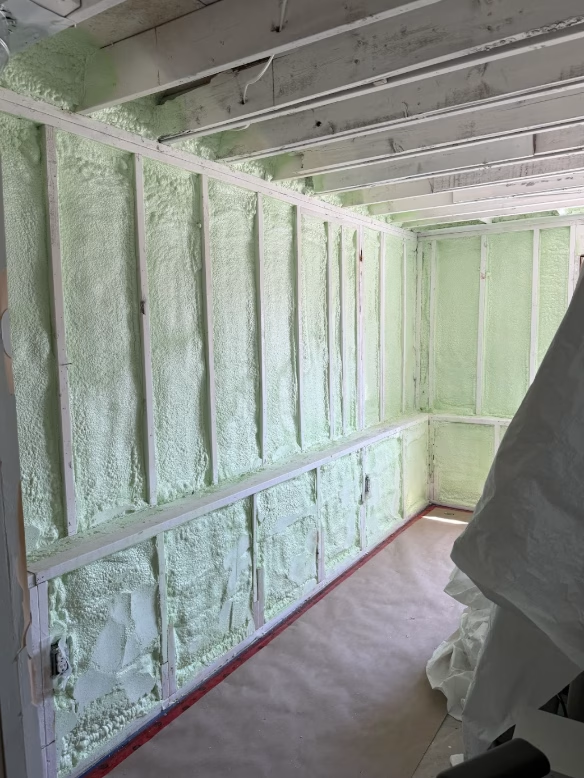
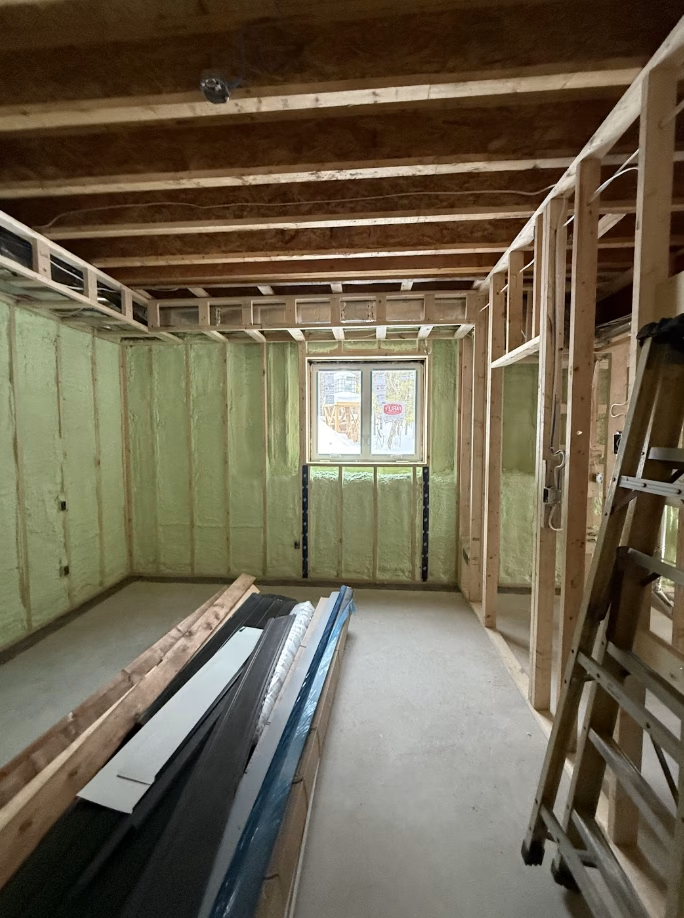
Why Spray Foam Insulation Is a Strong Choice for Wall Insulation
Spray foam insulation is a high-performance wall insulation option because it improves thermal resistance, reduces air leakage and supports long term building durability in one application.
For projects where comfort, efficiency and performance matter, spray foam offers more than basic cavity fill. It helps create a tighter, more efficient wall assembly.
Strong Thermal Performance
Spray foam insulation has a high R-value per inch, which means it can slow heat transfer effectively within the wall cavity. This can help reduce heating and cooling loss, improve indoor comfort and support better energy efficiency.
Air Sealing Advantage
R-value is only part of the equation. Air movement can weaken the performance of a wall assembly. Spray foam expands during application, allowing it to seal small gaps, cracks and irregular spaces. This helps reduce drafts, air leakage and energy loss, making the wall system perform more consistently.
Moisture Management and Durability
Depending on the type of spray foam used, it can help limit unwanted moisture movement within the wall cavity. This supports a more durable wall assembly and can reduce conditions that contribute to mold and/or material deterioration.
Long Term Stability
Spray foam adheres to the surfaces where it is applied and does not settle or compress the way some traditional insulation materials can. That stability helps maintain insulation performance over time.
Professional Installation Matters
Spray foam is a technical product, and proper installation is essential. Product selection, application conditions, safety protocols and wall assembly design all affect performance. A qualified installer helps ensure the insulation is applied correctly and safely.
A Smarter Wall Assembly
Spray foam insulation is a strong choice for wall insulation because it combines thermal performance, air sealing, moisture resistance and long term stability. When installed properly, it helps create a more efficient, comfortable and durable wall system.
How Spray Foam Helps Prevent Insulation Failure
Batt insulation is a traditional insulation material, but its effectiveness depends on fit, placement, and protection from moisture and air movement. Over time, those variables can create performance issues inside a wall assembly.
Spray foam insulation helps reduce those risks by creating a continuous barrier that insulates and air seals at the same time.
Common Causes of Batt Insulation Failure
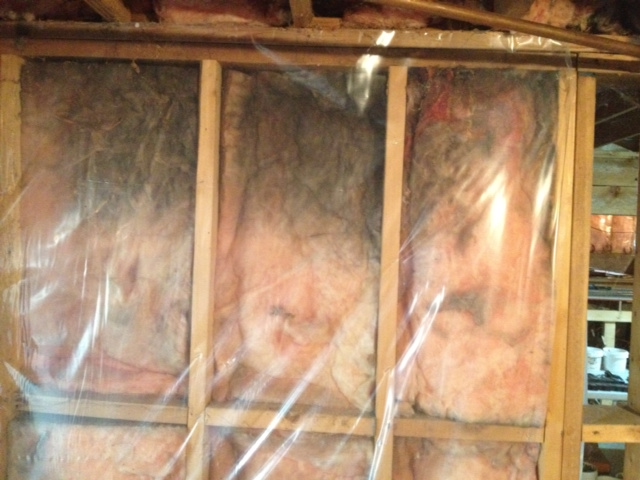
Batt insulation can lose effectiveness when moisture, settling, compression or air leakage are present.
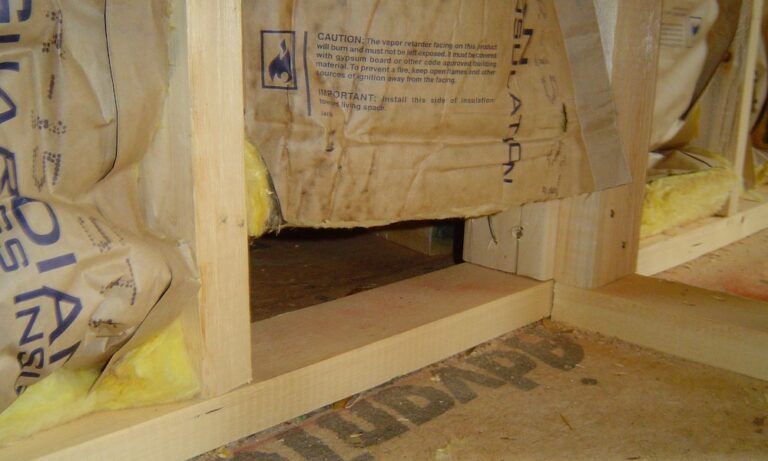
Moisture can reduce thermal performance and create conditions for mold and/or mildew. Settling can leave gaps in the wall cavity. Compression can lower the insulation’s R-value. Air leakage can move through and around the batts, reducing the overall performance of the wall system.
Why Spray Foam Performs Differently
Spray foam expands during application, filling gaps, cracks and irregular spaces that traditional batt insulation may not fully address. Once installed, it forms a continuous air seal that helps limit drafts, moisture movement and energy loss.
Because spray foam adheres to the surfaces where it is applied, it does not settle or compress in the same way as batt insulation. This helps maintain more consistent performance over time.
The Performance Advantage
Spray foam helps prevent common insulation failures by addressing the issues that often weaken wall performance: air leakage, moisture movement, gaps, settling and compression.
For projects that require a tighter, more durable wall assembly, spray foam offers a clear advantage. It supports energy efficiency, indoor comfort and long-term insulation performance.
Wall Insulation FAQs
Yes. Spray foam outperforms batt insulation because it expands to seal gaps, cracks and hard to reach areas. This helps reduce air leakage, energy loss and common insulation failures.
Batt insulation can lose performance when it settles, compresses, absorbs moisture or leaves gaps around framing and wiring. These weak points can reduce comfort and energy efficiency.
Spray foam creates a continuous air seal inside the wall cavity. This helps improve thermal performance, reduce drafts and support a more efficient wall assembly.
Yes. Spray foam insulation is a strong choice for homes in Peterborough and the Kawarthas because it helps manage drafts, heat loss and moisture movement through changing seasonal conditions.
Wall insulation installation matters because gaps, compression and air leakage can reduce performance. Spray foam is installed to fill the wall cavity, seal irregular spaces and support a tighter, more efficient wall assembly.