
Rim Joist Insulation in Peterborough and the Kawarthas
Seal one of the most common weak points in your building envelope with closed-cell spray foam rim joist insulation.
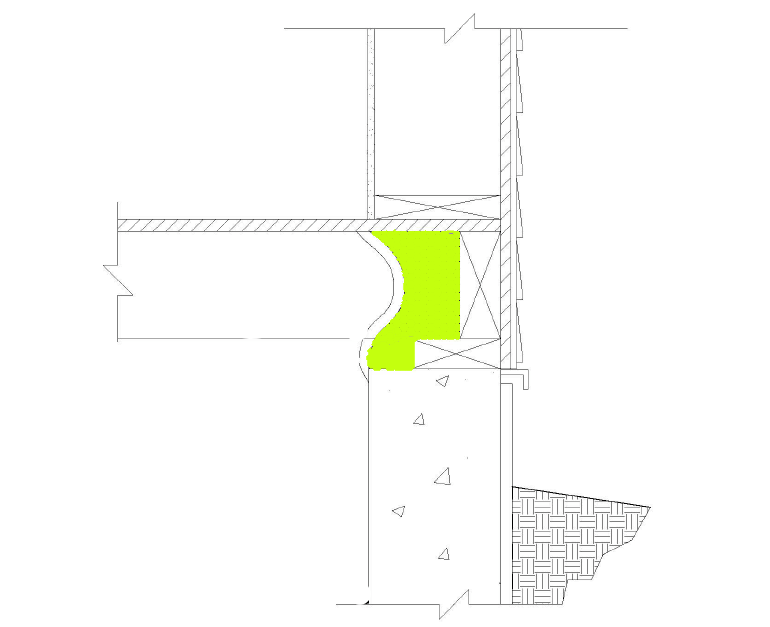
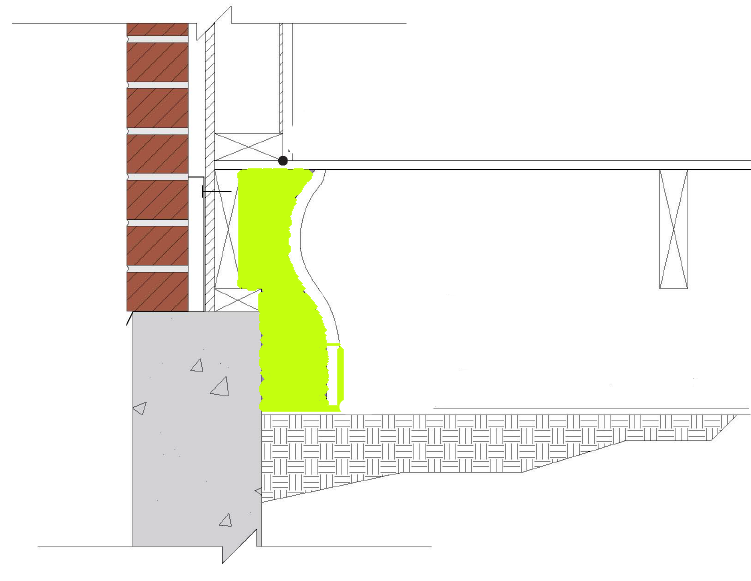
Rim Joists the Right Way: Why Spray Foam Outperforms Fibreglass
Rim joists are one of the most common weak points in a building envelope. They sit at the perimeter of the floor system, where gaps, seams, and temperature changes can create air leakage, heat loss and moisture issues.
That is why the insulation choice matters.
Spray foam performs especially well in this area because it insulates and air seals in one application. Fibreglass batts can slow heat transfer, but they do not create an air barrier on their own.
1. Air Sealing Comes First
A rim joist is rarely perfectly flat or gap-free. Spray foam expands into small cracks, seams and irregular spaces, creating a continuous air barrier that helps reduce drafts and energy loss.
Fibreglass batts rely on fit, friction and added sealing materials. Over time, they can shift, compress, or leave gaps behind.
In a rim joist, gaps are the problem.
2. Moisture Control Matters
Moisture issues often start with uncontrolled air movement. When warm, humid air reaches cold surfaces, condensation can form inside the rim joist cavity.
Spray foam helps limit that movement, reducing the risk of moisture buildup, mold and wood damage.
Fibreglass is porous and can absorb moisture, which lowers its performance and creates conditions the assembly was never meant to manage.
3. Better Real World Performance
Spray foam offers strong R-value per inch, but its advantage is not just insulation value. It also helps create a more complete thermal and air boundary.
That means better comfort, less energy waste and a more reliable building envelope.
Why It Works
Rim joists need more than insulation placed in a cavity. They need a system that manages air, moisture and thermal performance together.
Spray foam does that with fewer weak points.
For rim joists, performance is not about what works on paper. It is about what holds up inside the assembly.
Rim Joist Insulation FAQs
Rim joist insulation is installed around the perimeter of the floor system, where floor joists meet the exterior walls. This area is a common source of air leaks, heat loss and moisture movement.
Spray foam insulates and air seals in one application. It expands into gaps, seams and cracks, helping reduce drafts, moisture risk and energy loss.
Yes. Spray foam is typically better for rim joists because it creates a continuous air barrier. Fibreglass can slow heat transfer, but it does not air seal on its own and can lose performance if it shifts and/or absorbs moisture.
Yes. Closed-cell spray foam helps limit air movement, which reduces the chance of condensation inside the rim joist cavity. Better moisture control can help protect against mold, rot and wood damage.
Many homes in Peterborough and the Kawarthas benefit from rim joist insulation, especially if there are cold floors, drafts or high hydro bills. Sealing this area helps improve comfort and building performance.